
Is The Most Overlooked Strategy in Brand Building
Most organizations obsess over launch day.
The press release. The influencer rollout. The billboard reveal. The social media countdown.
But very few obsess over what should happen before any of that.
Internal launch.
And that oversight is costly. Because when employees hear about a campaign at the same time as the public, something is already broken.
The Internal Blind Spot
Marketing teams often work in sprint cycles. Creative is finalized. Media buys are secured. Assets are approved. And then the campaign goes live.
But internally?
Frontline staff are unbriefed. Middle managers are unclear on the strategic intent. Customer service teams are unprepared for questions. Leadership has not explained the “why.”
The result?
Confusion at the very moment clarity is needed most.
Why Internal-First Changes Everything
When a campaign is launched internally first, three powerful things happen;
-
Employees understand the strategy behind the message.
-
Teams see how their roles connect to the campaign.
-
Ownership replaces observation.
Internal rollouts allow space for;
-
Questions
-
Clarifications
-
Feedback
-
Refinement
This creates alignment before exposure.
And alignment strengthens execution.
Campaigns Are Operational, Not Just Creative
A campaign is an operational shift.
If you promise “faster service,” operations must be ready. If you promise “customer-first,” service teams must be empowered. If you promise “innovation,” processes must support experimentation.
When internal teams are briefed and aligned early;
✔ Service delivery reinforces the message
✔ Managers lead with confidence
✔ Customers experience consistency
✔ The campaign becomes credible
Without internal preparation, the campaign becomes cosmetic.
The Trust Multiplier
An internal-first approach communicates something powerful to employees;
“You matter.” It signals that;
-
They are partners, not afterthoughts.
-
Their understanding is essential to success.
-
Their voice is welcome before public exposure.
This builds trust.
And trust amplifies advocacy.
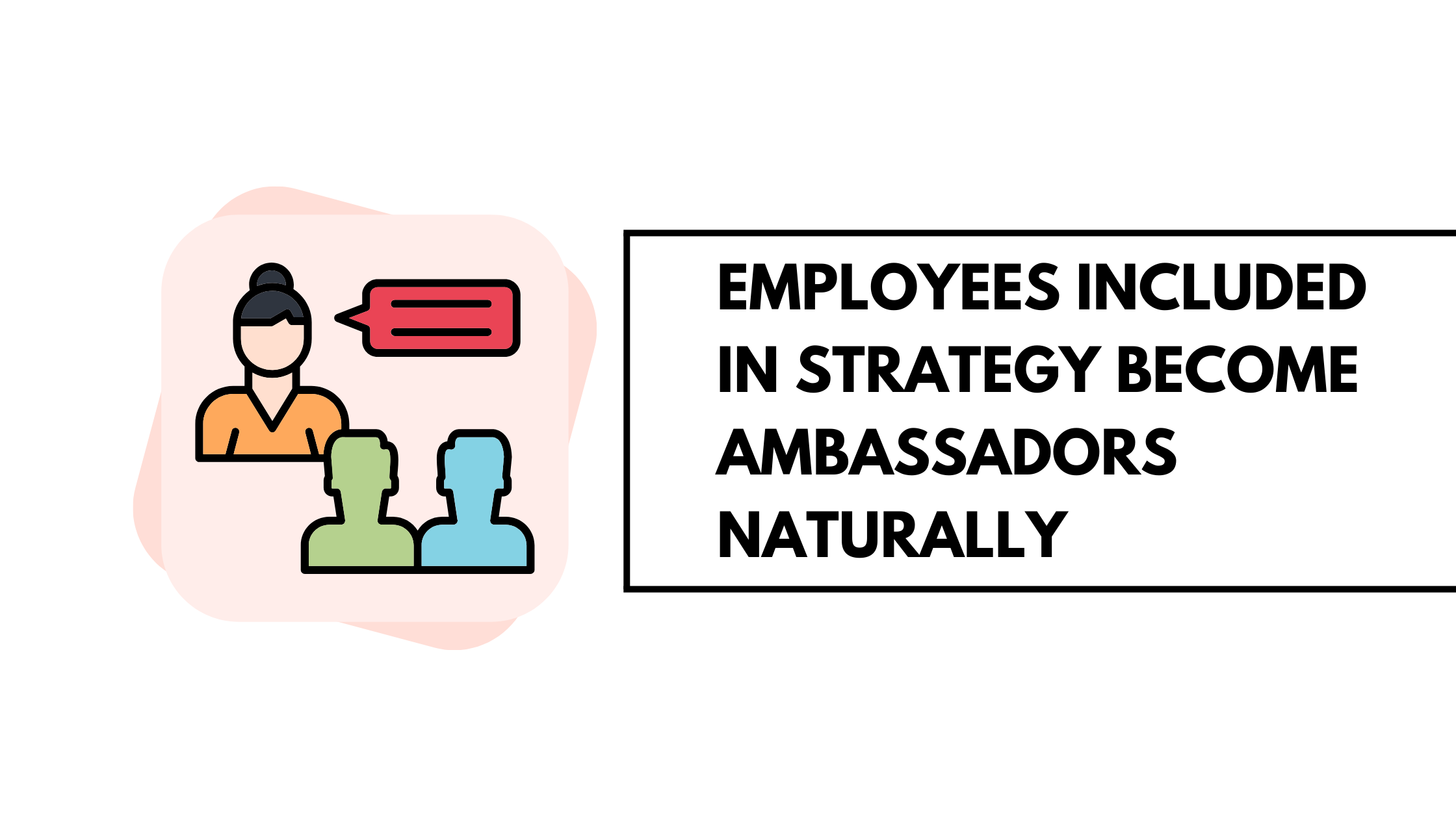
Employees who feel included in strategy become ambassadors naturally, not because they were instructed, but because they were involved.
What an Internal Launch Should Include
A strong internal launch typically involves;
-
A leadership briefing explaining the strategic objective
-
Clear articulation of how the campaign aligns with company direction
-
FAQs for frontline teams
-
Space for employee questions
-
Reinforcement of expected behaviors during rollout
This does not need to be complicated but intentional.
The Cost of Skipping This Step
When campaigns go public before internal alignment;
-
Employees feel disconnected.
-
Customers receive inconsistent service.
-
Leaders spend time managing avoidable confusion.
-
Trust erodes quietly.
And in a digital environment where transparency is instant, inconsistency becomes visible quickly.
The Strategic Reflection
Before your next campaign goes live, ask;
-
Have we launched this internally with the same energy we plan to launch it externally?
Because the strongest campaigns are not those that trend for a week. They are those that integrate into culture and operations seamlessly.
And that only happens when alignment starts inside.
At Agile Media Africa, we guide organizations in designing communication frameworks that align culture, leadership, and campaigns, ensuring that visibility is supported by internal coherence.
Because sustainable impact does not begin with the public. It begins with your people.
—
If this insight resonates, reply to this email or reach us at ab***@**************ca.com to explore how to structure stronger internal-first communication systems.
Next in the INSIDE OUT series: Trust as Infrastructure — Why Internal Communication Is a Strategic Asset
Stay aligned. Stay deliberate.